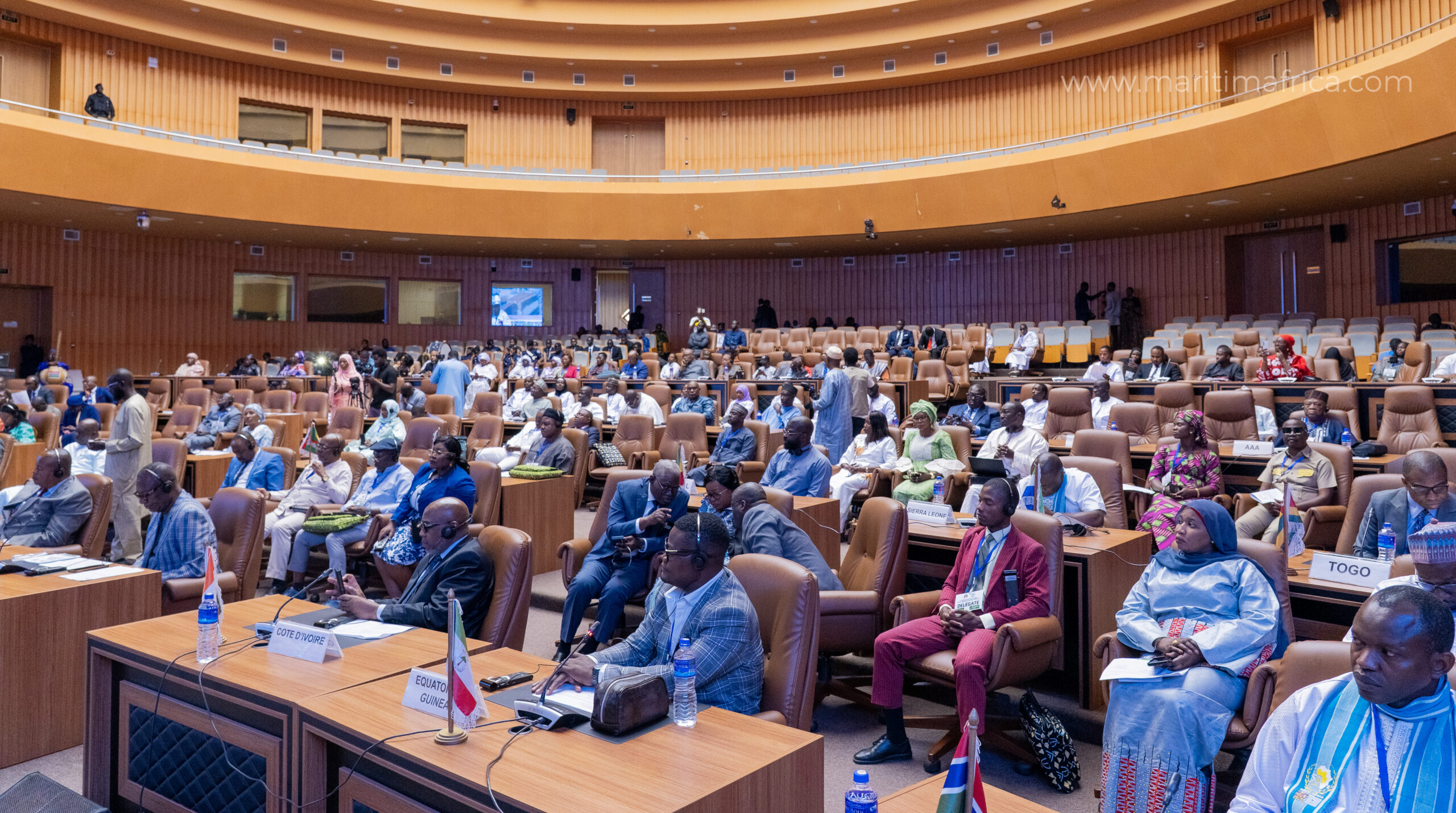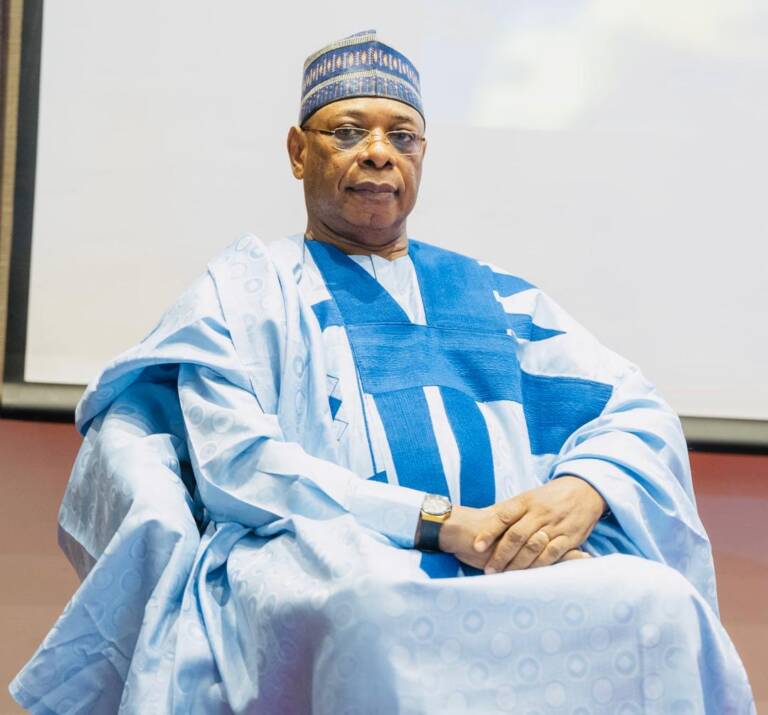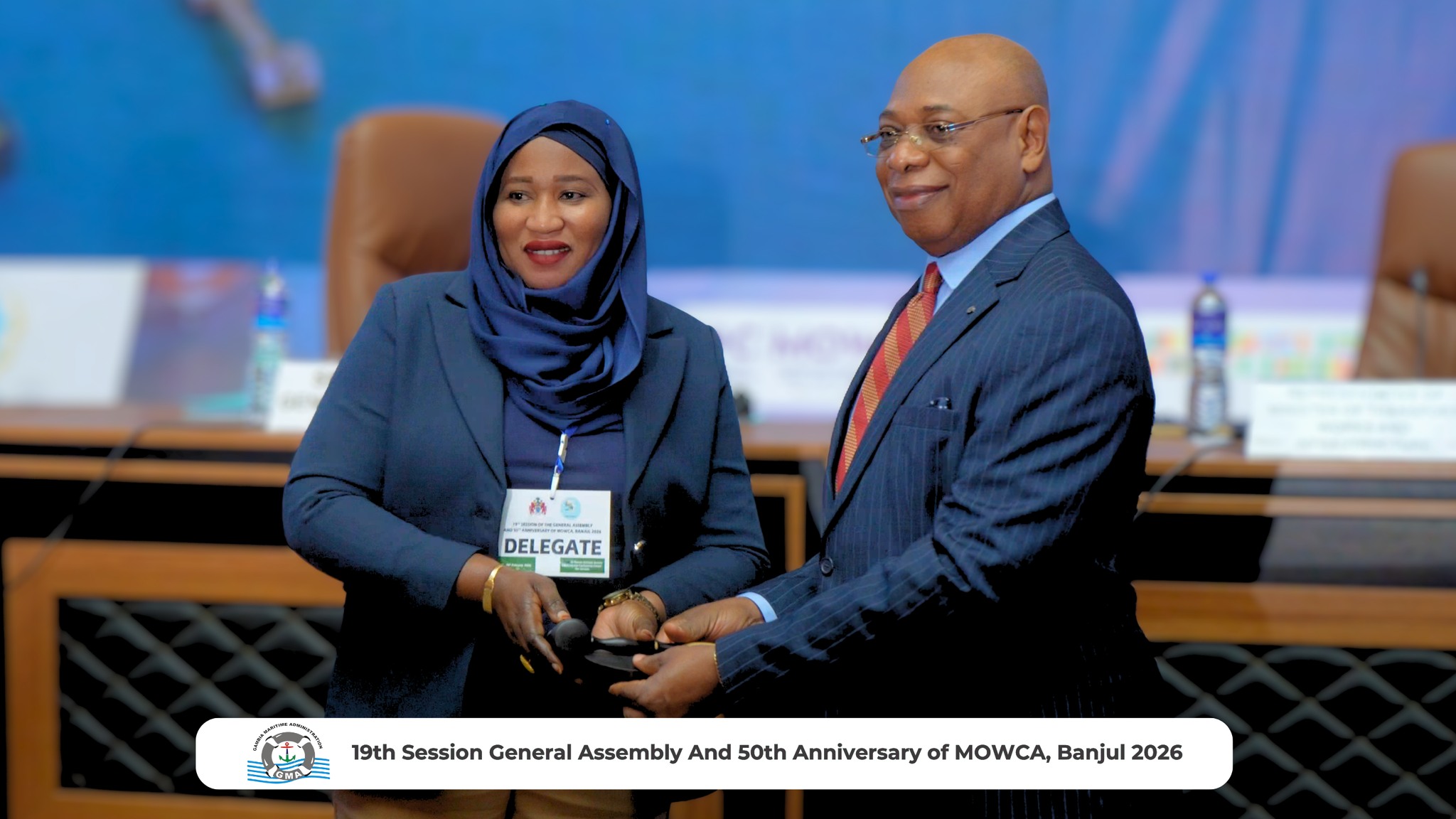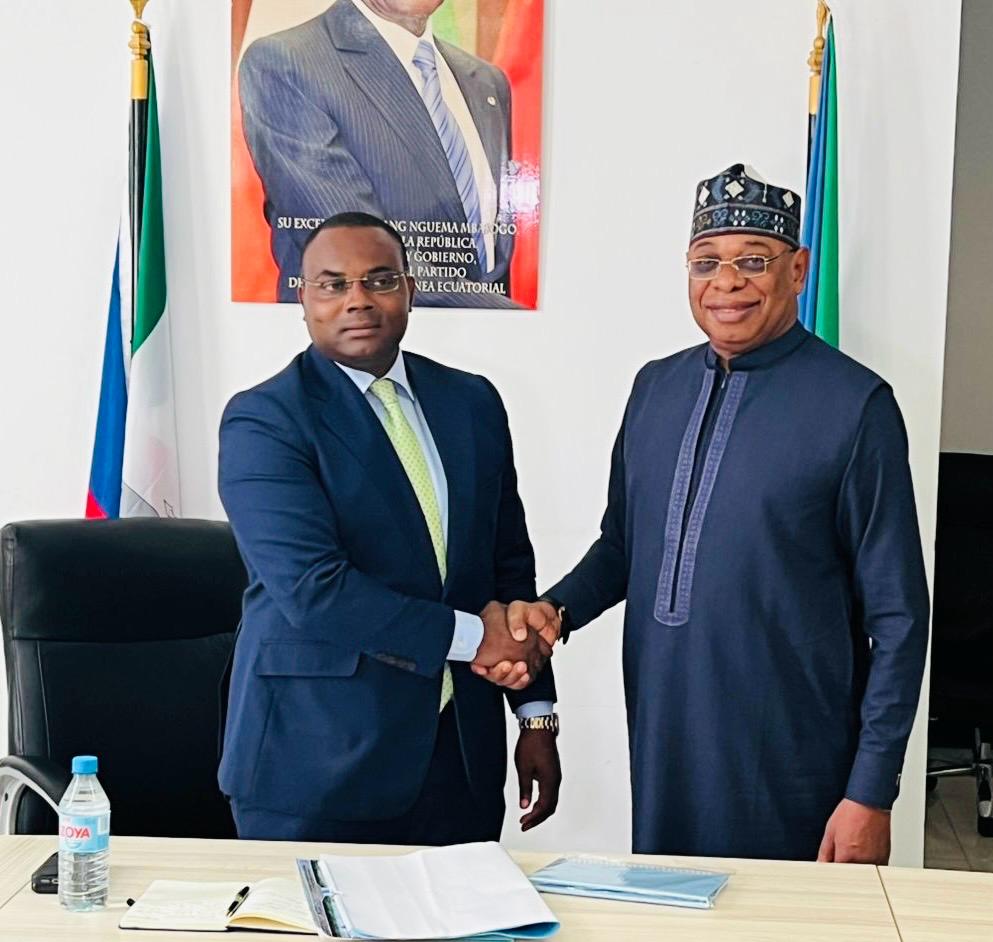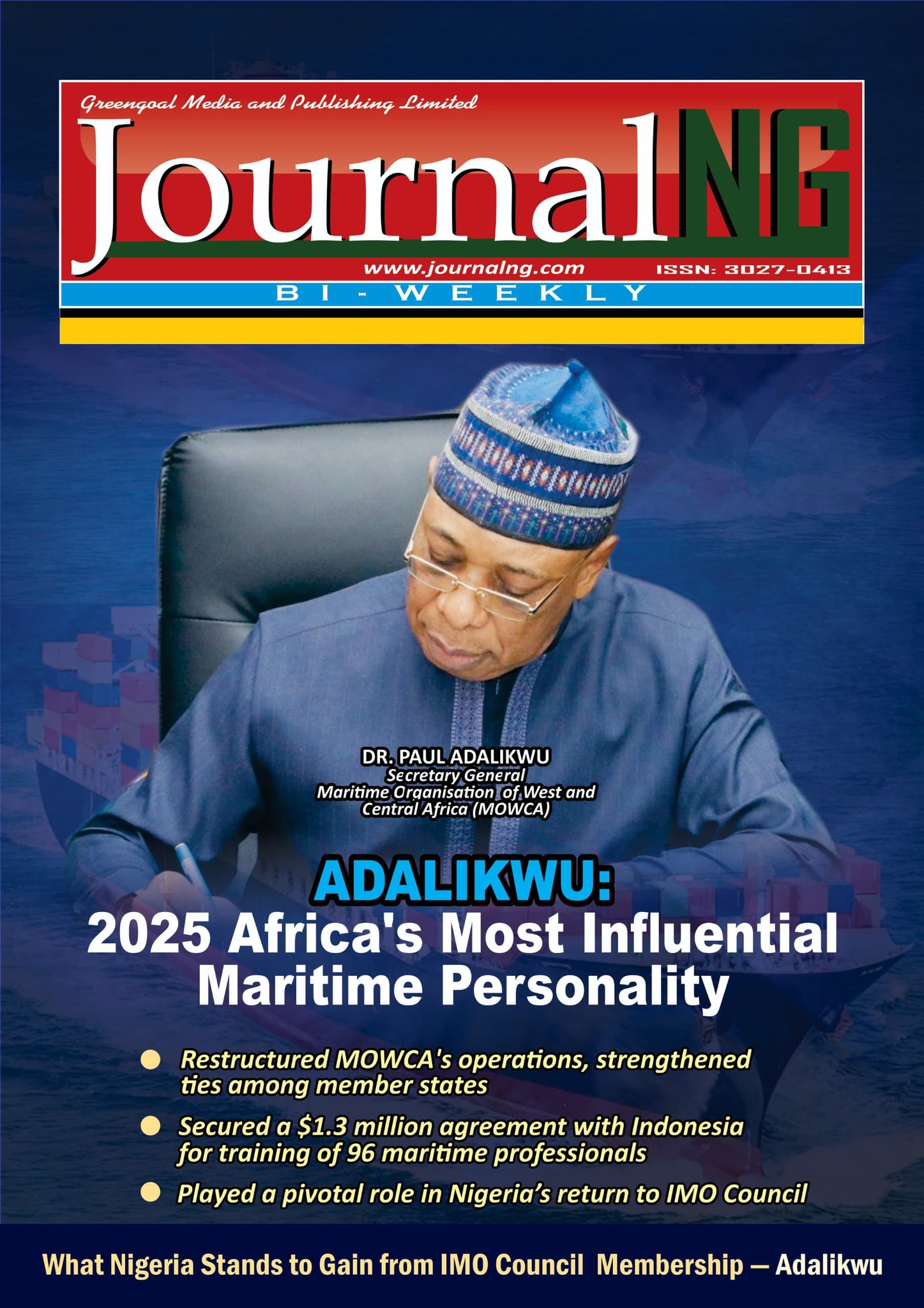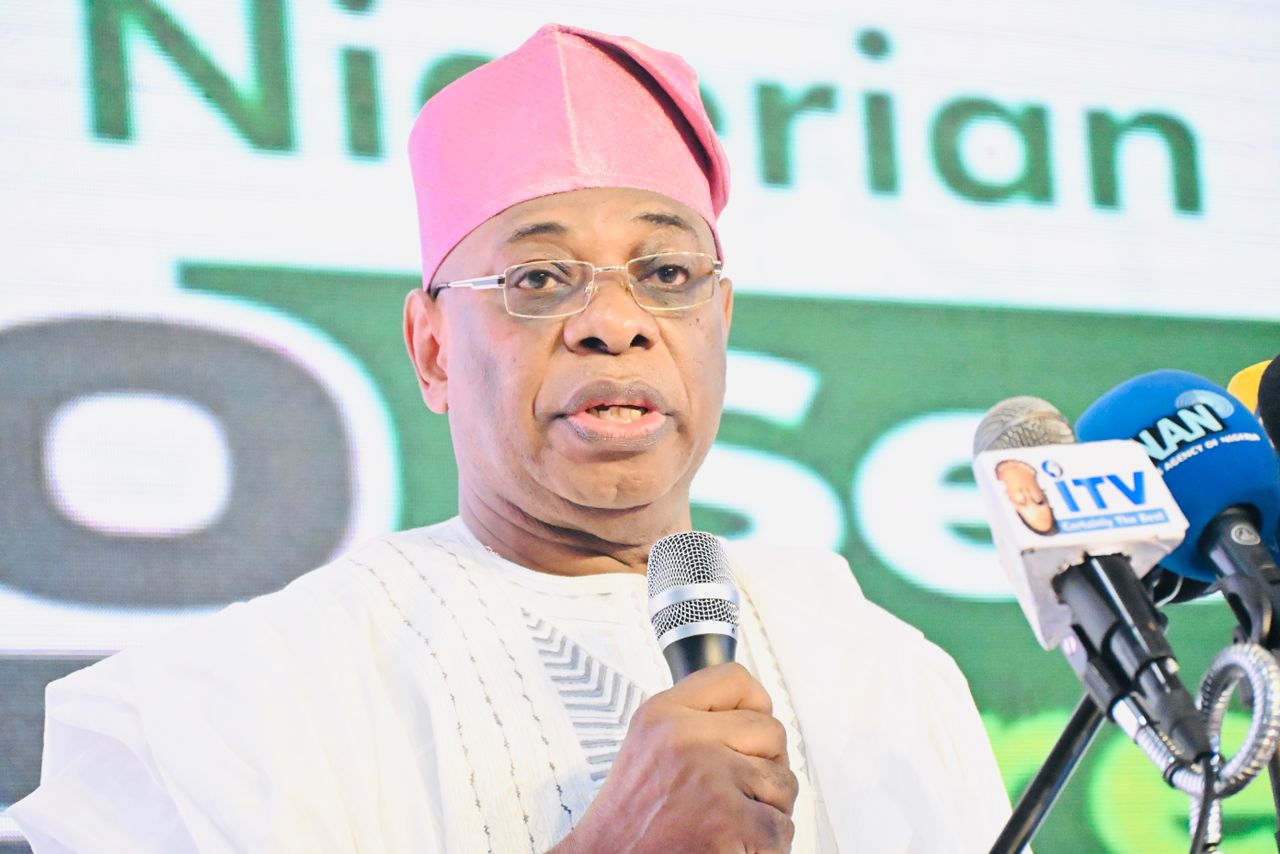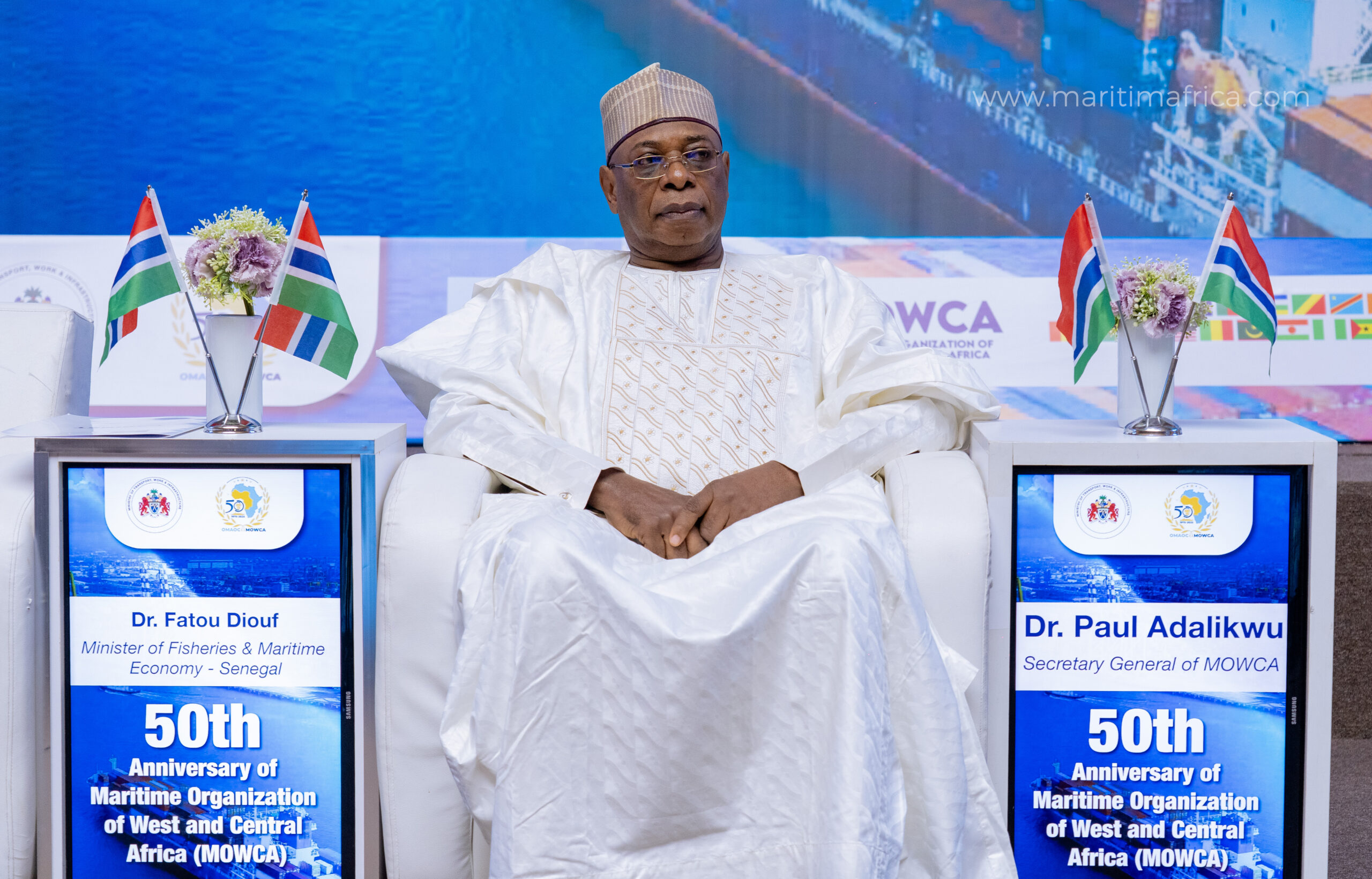
Re-elected unanimously at the 19th General Assembly in Banjul, Dr. Paul Adalikwu extends his mandate at the head of the West and Central African Maritime Organization (WOMAOC) for four more years. This strategic renewal comes at a key moment for the African maritime sector, faced with the challenges of security, regional integration and competitiveness of African maritime transport.
A unanimous re-election in the service of the African maritime sector
Meeting on February 19, 2026 on the sidelines of the 19th General Assembly of MOWCA, the ministers of the 25 member states renewed their confidence in Dr. Paul Adalikwu. This unanimous decision confirms the reforms undertaken since 2022 to reposition the organization as a central player in maritime governance in West and Central Africa.
The current president of MOWCA and Gambian Minister of Transport, Public Works and Infrastructure, Ebrima Sillah, praised leadership that has strengthened the place of coastal states and landlocked countries in the region in the global maritime ecosystem.
For Ghana, represented by its Minister of Transport Joseph Bukari Nikpe, the dynamic driven by MOWCA underlines the strategic role of African maritime transport in the transformation of national economies, particularly through the local valorization of raw materials.
Maritime security and performance of African shipping: concrete progress
Strengthening the Architecture of Yaoundé and the fight against piracy
During his first mandate, Dr. Adalikwu consolidated the implementation of the Yaoundé Architecture, a pillar of security cooperation in the Gulf of Guinea. Emphasis was placed on:
- the application of the ISPS Code,
- the acquisition of naval equipment,
- the sharing of information in real time via CINFOCOM,
- the engagement of coastal communities in maritime intelligence.
These efforts have contributed to a significant drop in acts of piracy, strengthening the performance of African shipping on one of the most strategic African maritime routes for global trade.
MOWCA also supported the adoption of robust legal frameworks, such as the Nigerian SPOMO law, and encouraged the prosecution of maritime crimes in Nigeria and Togo.
Regional integration and modernization of African port infrastructure
Towards a Regional Maritime Development Bank (RMDB)
One of the structuring projects of Dr. Adalikwu remains the relaunch of the Regional Maritime Development Bank (BMRD), intended to finance:
- the modernization of African port infrastructure,
- the development of sustainable maritime transport,
- blue economy investments in Africa.
This financial mechanism aims to respond to the recurring challenges of the African maritime sector: underfinancing of African ports, low rate of ship ownership and foreign domination of logistics chains.
Promotion of cabotage and African maritime logistics corridors
The Secretary General calls for a continental cabotage regime favoring African shipowners, investors and professionals. This approach is part of a logic of economic sovereignty and consolidation of African maritime logistics corridors, essential to intra-African commercial integration.
At the same time, MOWCA supports:
- the creation of dry ports for landlocked countries,
- a Regional Transport Observatory,
- a Harmonized Regional Maritime Code,
- the establishment of an integrated network of sub-regional coast guard.
Human capital, international partnerships and blue economy Africa
Aware that the competitiveness of African maritime transport relies on skills, MOWCA concluded a $1.3 million agreement with Indonesia for the training of 96 sailors from member states.
The organization also strengthened its ties with the International Maritime Organization (IMO), through the signing of a memorandum of understanding focused on professional training, security and sustainable maritime development in Africa.
Dr. Adalikwu affirms that he wants to pursue a strategy based on profitable and ecologically responsible shipping, consistent with the ambitions of the African blue economy: economic diversification, job creation and sustainable development of marine resources, including in the areas of fishing and aquaculture Africa.
Towards a unified African Maritime Organization
Beyond the sub-region, the Secretary General aims to transform the MOWCA into the African Maritime Organization (AMO), in order to to unify the continent's voice on major issues of global maritime governance.
This development would strengthen Africa's capacity to weigh in international negotiations on maritime trade, the security of African maritime routes and environmental regulation.
A new strategic phase for African ports and the blue economy
At a time when African ports are seeking to gain competitiveness and integrate into global logistics chains, the reappointment of Dr. Paul Adalikwu opens a new cycle of opportunities for West and Central Africa.
Between consolidated maritime security, modernization of African port infrastructures, promotion of cabotage and structuring of dedicated financial instruments, MOWCA intends to establish itself as a catalyst for transformation of the African maritime sector.
For investors, public decision-makers and stakeholders in African maritime transport, the coming years will be decisive in making the African blue economy a real lever for growth sustainable.
Source: maritimafrica.com